

Views: 219 Author: Site Editor Publish Time: 2025-10-15 Origin: Site


Ceramic house numbers are a popular choice for homeowners seeking a combination of functionality and aesthetic appeal. These timeless pieces, often hand-painted or intricately designed, provide a sense of character to a home's exterior. However, like any outdoor item, ceramic house numbers are not immune to the harsh realities of weathering, which often leads to fading over time. Understanding why this happens and how to mitigate it can help homeowners make informed decisions about their choice of materials and maintenance strategies. From environmental conditions to the materials used in manufacturing, each element plays a significant role in the longevity of ceramic house numbers.
Before we dive into why ceramic house numbers fade, it’s crucial to first understand the materials that make up these decorative elements. Ceramic house numbers are typically made from fired clay, which is hardened in a kiln at high temperatures. The design of these numbers is usually achieved through glazing or hand-painting, often with vibrant colors and intricate details. The glaze serves as a protective layer that helps preserve the design while adding a glossy finish.
However, this glaze is not impervious to external factors such as UV rays, humidity, and physical wear. Over time, the protective glaze can break down, and the colors may begin to fade or lose their vibrancy.
One of the primary reasons ceramic house numbers fade is exposure to ultraviolet (UV) radiation from the sun. Ceramic materials are susceptible to UV degradation, especially if they are not treated with UV-resistant coatings. The pigments used in hand-painted or glazed ceramic numbers are also vulnerable to UV exposure. Prolonged exposure to sunlight can cause these pigments to break down, leading to fading and discoloration.
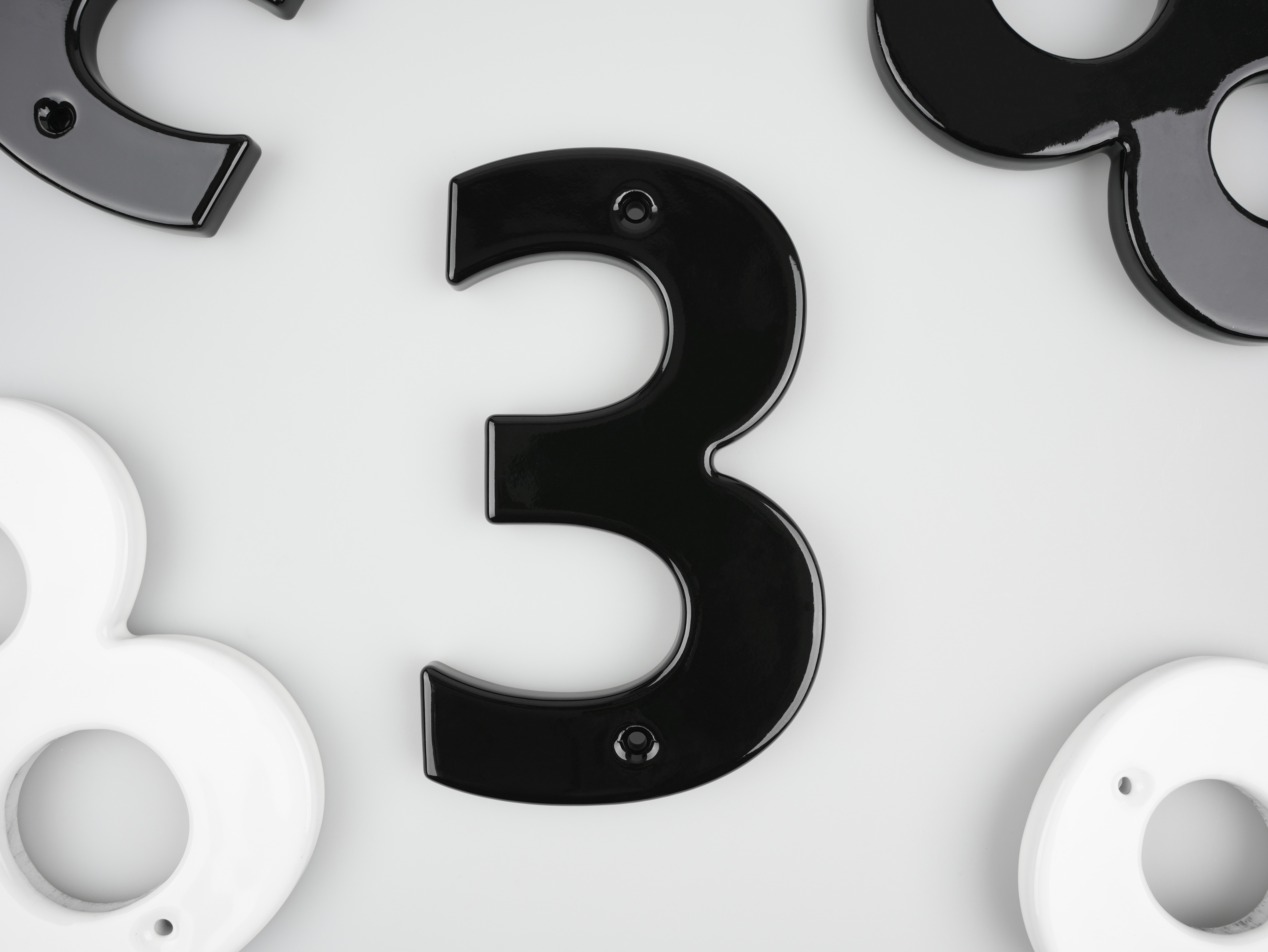
UV radiation can penetrate the glaze and affect the ceramic’s underlying color. Darker colors, such as black or dark blue, are often the most affected by UV degradation. This is because darker colors tend to absorb more heat and UV radiation, which accelerates the fading process.
In addition to UV radiation, weather conditions—particularly moisture—can significantly impact the longevity of ceramic house numbers. Ceramic is a porous material, which means it can absorb water over time. In areas with high humidity or frequent rainfall, ceramic house numbers may become saturated with moisture. This absorbed water can weaken the glaze and cause it to crack or peel, leading to fading and deterioration of the design.
In colder climates, freezing and thawing cycles can further exacerbate the issue. When water enters the porous ceramic material and freezes, it expands, which can cause cracks or chips to form. As the ceramic deteriorates, the numbers may become harder to read, making them less effective as house identifiers.
While environmental factors like UV radiation and moisture have a significant impact on fading, physical wear and tear also play a crucial role. Ceramic house numbers, being exposed to the outdoors, are often subject to various forms of mechanical stress. Wind, rain, or even contact with cleaning tools can cause scratches, abrasions, or chips in the glaze, leading to a gradual loss of color.
Even the simple act of cleaning ceramic house numbers with abrasive materials can contribute to the fading process. Over time, this wear can compromise the protective glaze and expose the underlying material to further deterioration. The cumulative effect of physical wear, in combination with environmental factors, can result in a marked loss of vibrancy.
The quality of the materials used in the manufacturing of ceramic house numbers can also influence how well they stand up to fading over time. High-quality ceramics typically feature thicker glazes and more durable pigments, which can better withstand the effects of UV radiation, moisture, and wear. Conversely, low-quality ceramics may use cheaper glazes and pigments that are more prone to fading and chipping.
When choosing ceramic house numbers, it is essential to consider the quality of the materials and the manufacturing process. Opting for higher-end products from reputable manufacturers can make a significant difference in how well your ceramic numbers hold up over time. Additionally, some manufacturers offer UV-resistant coatings or enhanced glazing techniques that can provide extra protection against fading.
If you're concerned about the fading of ceramic house numbers but still want the aesthetic appeal of a unique house identifier, there are several alternatives to consider. While ceramic remains a classic choice, materials such as metal, acrylic, and composite materials offer advantages when it comes to durability.
Metal House Numbers: Stainless steel, aluminum, and brass are all durable materials that are resistant to fading. They don't absorb moisture like ceramic and can withstand UV radiation. Metal numbers can maintain their appearance for years without significant fading, though they may develop a patina or rust over time, depending on the material.
Acrylic and Plastic House Numbers: These are lightweight and weather-resistant options. While they may not offer the same level of elegance as ceramic, modern acrylic or plastic house numbers come in various designs and colors that can withstand UV exposure without fading.
Composite Materials: These are blends of natural and synthetic materials that offer increased durability. Composite house numbers can replicate the look of ceramic or metal while being more resistant to fading and other environmental factors.
| Material Type | Durability | UV Resistance | Moisture Resistance | Aesthetic Appeal |
|---|---|---|---|---|
| Ceramic | Moderate | Low | Moderate | High |
| Metal (Aluminum) | High | High | High | Moderate |
| Acrylic/Plastic | Moderate | High | High | Moderate |
| Composite | High | High | High | High |
Although fading is inevitable over time, there are steps you can take to help preserve the appearance of your ceramic house numbers. Proper maintenance can prolong their lifespan and reduce the rate at which fading occurs.
1. Regular Cleaning: Clean your ceramic house numbers regularly with a soft cloth and mild detergent. Avoid abrasive cleaners that can scratch the glaze and cause wear.
2. Protective Coating: Consider applying a UV-resistant clear coat or sealant over your ceramic numbers. This layer of protection can help prevent UV radiation from breaking down the pigments and glaze.
3. Proper Placement: If possible, place your ceramic house numbers in a location that minimizes direct sunlight exposure. This can slow down the fading process, especially for numbers in darker colors.
4. Shield from Moisture: Ensure that your ceramic numbers are not exposed to excessive moisture or water pooling around the base. Installing a small overhang or using a protective sealant can help reduce moisture-related damage.
Ceramic house numbers are a beautiful, functional addition to any home, but they are not immune to the effects of time and environmental exposure. UV radiation, moisture, and physical wear all contribute to the fading and deterioration of ceramic numbers. By understanding the factors that cause fading and taking proactive steps to maintain and protect your ceramic numbers, you can prolong their vibrancy and ensure they remain a charming feature of your home for years to come.
When considering alternatives to ceramic, metal, acrylic, and composite materials provide durable options that are less prone to fading. However, for those who prefer the timeless appeal of ceramics, proper care and high-quality materials can make a world of difference in preserving their appearance.
1. How can I protect my ceramic house numbers from fading?
To protect your ceramic house numbers from fading, apply a UV-resistant clear coat, clean them regularly with non-abrasive materials, and consider placing them in areas with less direct sunlight exposure.
2. Are metal house numbers more durable than ceramic?
Yes, metal house numbers tend to be more durable than ceramic because they are less susceptible to fading, moisture, and physical wear. They are also resistant to UV damage and do not absorb water.
3. Can I restore faded ceramic house numbers?
While you may not be able to completely restore severely faded ceramic house numbers, you can re-paint them using high-quality ceramic paints or hire a professional to touch them up. Applying a protective coating may also help prevent further fading.
4. Are there any ceramic house numbers that are UV-resistant?
Yes, some manufacturers offer ceramic house numbers with UV-resistant coatings that can better withstand sun exposure and help preserve their color and design for a longer period.
5. How long do ceramic house numbers last?
The lifespan of ceramic house numbers varies depending on factors such as material quality, climate conditions, and maintenance. With proper care, ceramic house numbers can last for several years, but they may require touch-ups or re-glazing every 5-10 years.