

Views: 194 Author: Site Editor Publish Time: 2025-09-28 Origin: Site


House numbers are more than simple identifiers; they are essential design elements that influence first impressions, guide visitors, and ensure emergency services or deliveries can locate your home. Choosing the right material for a house number balances durability, visibility, style, and maintenance needs. Among the many available options—metal, ceramic, acrylic, wood, and stone—each has its own strengths and drawbacks. For homeowners who want a stylish yet functional upgrade, selecting the right house number material ensures both aesthetic harmony and long-lasting performance.
When evaluating the best material for a house number, durability sits at the top of the list. Outdoor conditions, such as direct sun, rain, wind, or snow, put house numbers to the test every single day. Materials like stainless steel, aluminum, and ceramic offer resilience against rust and fading, whereas untreated wood or low-quality plastics may warp or crack over time. Choosing a durable option not only reduces replacement frequency but also keeps your house number looking sharp for years. Homeowners in coastal or rainy climates especially benefit from corrosion-resistant materials like ceramic or powder-coated metals.
A Ceramic House Number brings together craftsmanship, elegance, and durability. Ceramic is naturally resistant to UV rays, meaning it does not fade quickly even under intense sunlight. Glazed finishes add an extra layer of protection against rain and temperature changes. Beyond functionality, ceramic numbers offer aesthetic versatility; they can be painted, patterned, or embedded with artistic designs, making them a centerpiece rather than a background element. Unlike plain plastic numbers, ceramic versions elevate curb appeal and can complement Mediterranean, rustic, or traditional architectural styles with ease.
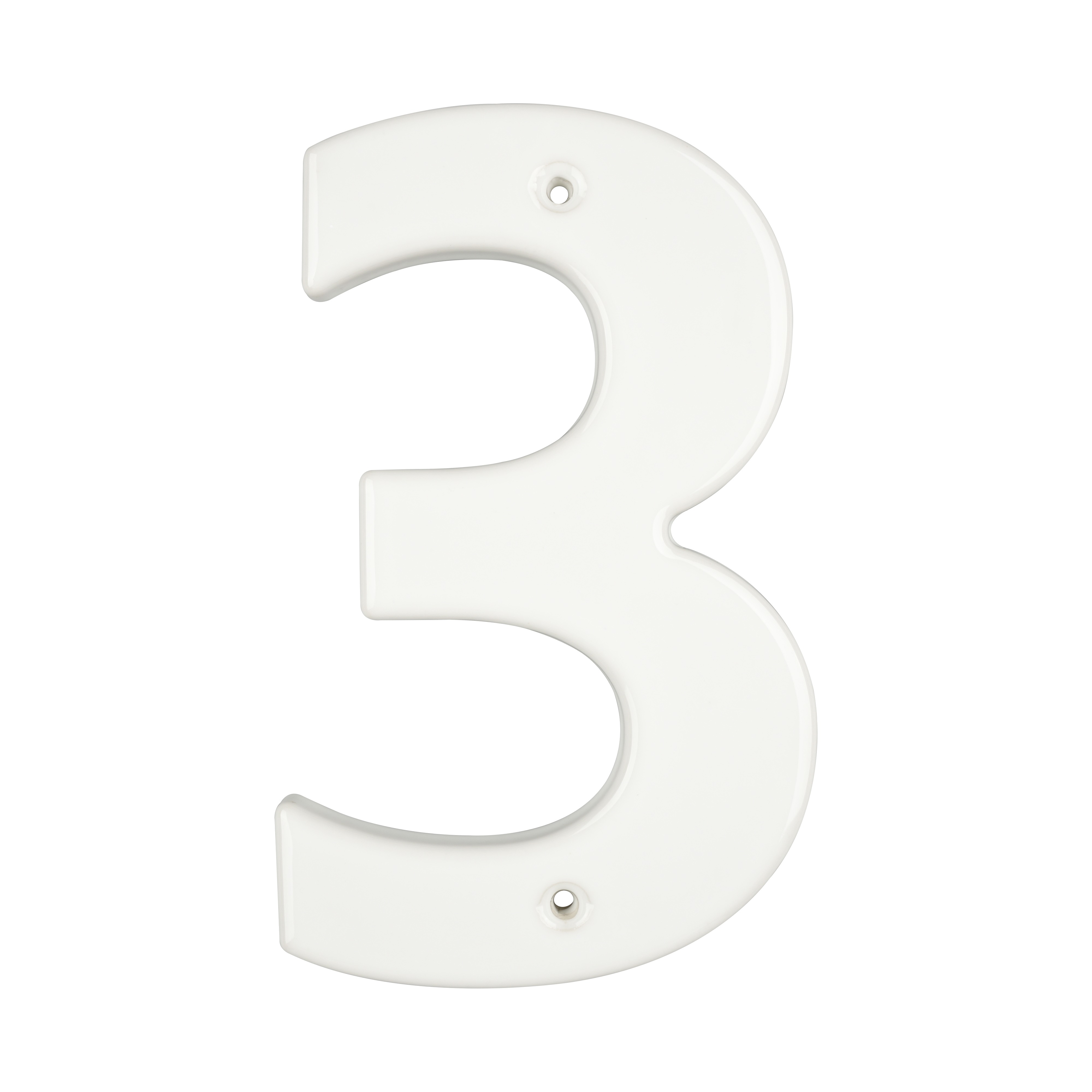
Homeowners often struggle to weigh the pros and cons of different materials. A clear comparison highlights how each performs in terms of durability, maintenance, and visual impact.
| Material | Strengths | Weaknesses | Best Suited For |
|---|---|---|---|
| Ceramic | Fade-resistant, artistic designs, weatherproof | Can chip if struck, slightly heavier | Traditional, Mediterranean homes |
| Stainless Steel | Modern look, rust-resistant, durable | Higher cost, less decorative variety | Contemporary architecture |
| Aluminum | Lightweight, corrosion-resistant, affordable | May dent easily, less premium feel | Budget-friendly homes |
| Wood | Warm and natural appearance | Requires sealing, vulnerable to weather damage | Rustic or farmhouse aesthetics |
| Acrylic/Plastic | Wide design options, lightweight, affordable | Prone to fading, less durable in harsh climates | Rental properties, quick installs |
From the table, ceramic stands out as a premium choice that blends artistry with endurance, making it one of the best all-around options.
Maintenance often determines whether a house number remains attractive or turns shabby over time. For example, stainless steel may only require an occasional wipe, while wooden numbers demand regular sealing and protective coatings to resist moisture. A Ceramic House Number, on the other hand, needs very little upkeep—typically just a soft cloth cleaning to remove dust or debris. Homeowners seeking a “set it and forget it” solution often lean toward ceramic or stainless steel, as both options keep their polished look with minimal effort.
A house number should harmonize with a home’s overall exterior style. For those who favor traditional or artistic expressions, ceramic provides unmatched character through hand-painted or glazed finishes. Stainless steel or brushed aluminum complements sleek, minimalist homes, while wood fits naturally with rustic cottages or farmhouses. The advantage of ceramic is its adaptability; whether bold patterns or subtle color tones are desired, ceramic can be customized to suit personal taste. By combining functionality with decorative appeal, a Ceramic House Number becomes a design statement rather than just a label.
Budget is often a decisive factor in choosing house numbers. While plastic or acrylic numbers are inexpensive upfront, their limited lifespan means replacements may be necessary every few years. Ceramic or stainless steel may carry a higher initial cost but can last decades with minimal maintenance. This makes them more cost-effective in the long run. The following table shows a breakdown of cost considerations:
| Material | Average Price Range (per number) | Expected Lifespan | Long-Term Value |
|---|---|---|---|
| Ceramic | $15 – $40 | 15–25 years | Excellent |
| Stainless Steel | $20 – $50 | 20–30 years | Excellent |
| Aluminum | $10 – $25 | 10–15 years | Good |
| Wood | $8 – $20 | 5–10 years | Moderate |
| Acrylic/Plastic | $5 – $15 | 3–7 years | Low |
Investing in a Ceramic House Number pays off over time, particularly when factoring in both curb appeal and replacement frequency.

Visibility is just as important as aesthetics. The best house number is easy to read from the street both day and night. Ceramic numbers can be crafted in contrasting colors and glazed finishes that enhance legibility, especially against brick, stucco, or painted siding. Metals like stainless steel shine under certain light conditions but may lose clarity in glare or shadows. Acrylic options often fade, which reduces readability over time. Ceramic, with its consistent finish and customizable design, remains one of the clearest options for ensuring visitors and emergency services find your home quickly.
Taking into account durability, style, maintenance, cost efficiency, and visibility, ceramic consistently ranks among the top choices. Unlike temporary materials such as plastic or vulnerable ones like untreated wood, ceramic strikes a balance between practical performance and artistic flexibility. For homeowners who value both longevity and visual charm, investing in a Ceramic House Number ensures a functional feature that doubles as a decorative asset. While stainless steel may rival ceramic in toughness, ceramic’s ability to infuse character sets it apart.
Selecting the best material for a house number requires balancing function, appearance, and cost. While multiple materials serve well under different conditions, ceramic stands out for its blend of artistry, resilience, and low maintenance. Whether for enhancing curb appeal or ensuring long-lasting visibility, a Ceramic House Number delivers consistent value. For homeowners seeking an option that pairs practical strength with design sophistication, ceramic proves to be one of the best choices available.
Q1: Are ceramic house numbers weather-resistant?
Yes. Ceramic house numbers are glazed to resist rain, sunlight, and temperature fluctuations, making them durable for outdoor use.
Q2: How do ceramic house numbers compare to stainless steel?
Both are long-lasting and low-maintenance. Stainless steel offers a sleek, modern look, while ceramic provides greater design variety and artistic appeal.
Q3: Can ceramic house numbers be customized?
Absolutely. They can be hand-painted, glazed in various colors, or shaped into unique patterns to match different architectural styles.
Q4: Do ceramic house numbers require special cleaning?
No. A simple wipe with a damp cloth usually keeps them clean and vibrant, unlike wood or plastic that may need more attention.
Q5: What’s the average cost of ceramic house numbers?
They generally range from $15 to $40 per number, but their long lifespan makes them more cost-effective than cheaper alternatives.