

Views: 194 Author: Site Editor Publish Time: 2025-10-11 Origin: Site


When it comes to adding a personal touch to your home’s exterior, ceramic house numbers have become a popular choice. They’re stylish, durable, and offer a classic aesthetic that suits a variety of architectural styles. However, one question that often arises when choosing ceramic house numbers is: How long do ceramic house numbers typically last outdoors?
In this article, we will explore the longevity of ceramic house numbers when exposed to outdoor elements. We'll dive into factors that influence their durability, the materials used in their construction, and how you can ensure they last as long as possible.
Several factors determine how long ceramic house numbers will last outdoors. Understanding these variables will help you manage expectations and make an informed decision about your purchase.
Ceramic house numbers are designed to withstand outdoor conditions, but the severity of these elements plays a crucial role in their longevity. Areas with extreme temperatures, heavy rainfall, high humidity, or salty coastal air can accelerate wear and tear. For example, constant exposure to freezing temperatures followed by thawing can cause cracks in the ceramic. Similarly, UV rays from the sun can cause fading over time.
Not all ceramics are created equal. High-quality ceramic materials are fired at higher temperatures, making them more durable. They are more resistant to chipping, cracking, and fading. Inferior ceramics, on the other hand, may not hold up as well to the elements, leading to a shorter lifespan.
Many ceramic house numbers are coated with glazes or sealants that offer additional protection from moisture and UV damage. A well-applied glaze helps prevent the ceramic from absorbing water, which is particularly important in areas with high rainfall or humidity. Additionally, UV-resistant coatings can prevent fading and discoloration caused by prolonged sun exposure.
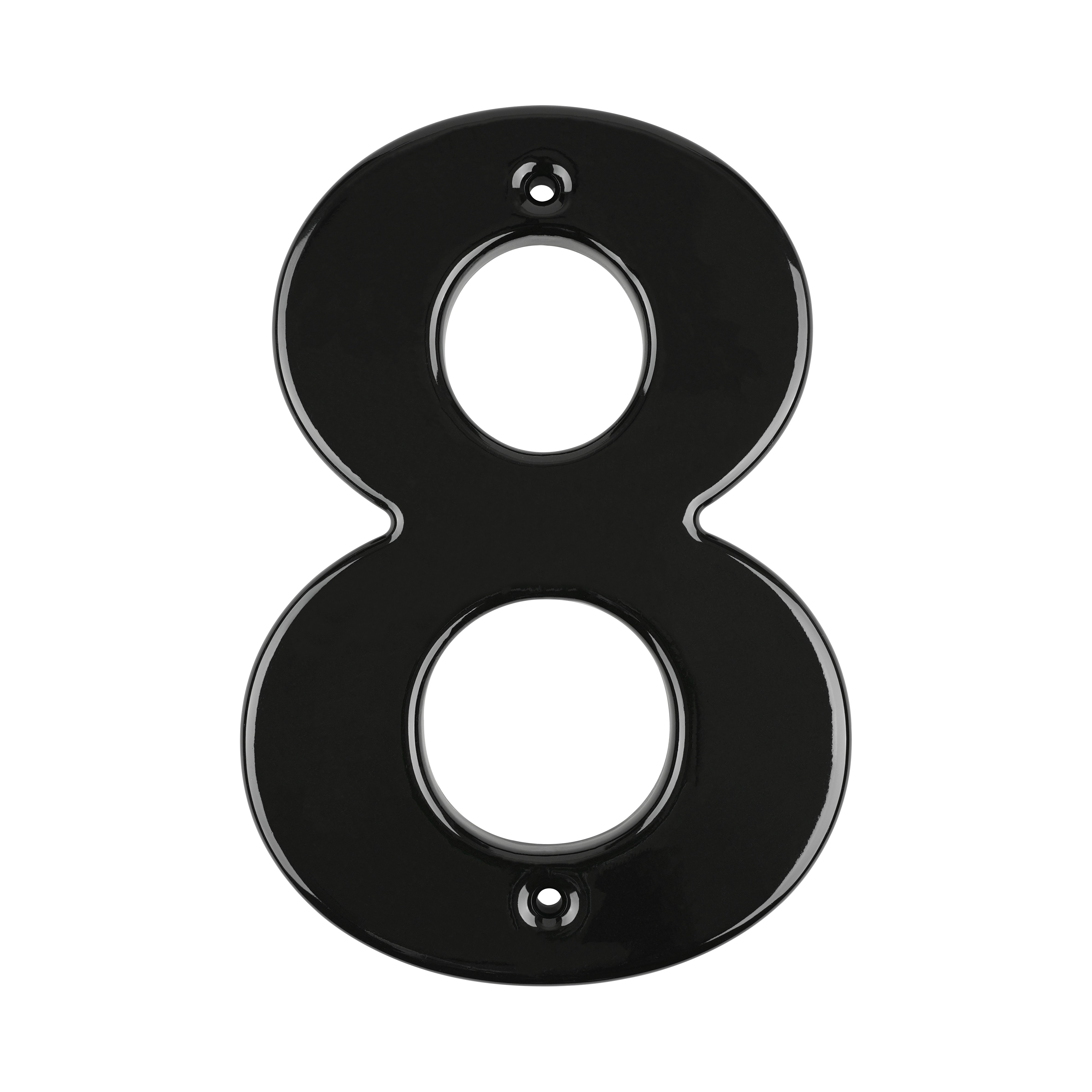
When cared for properly, ceramic house numbers can last anywhere from 10 to 20 years or more. However, several variables influence this range, including the specific climate conditions in your area, the quality of the ceramic, and the level of maintenance.
Under ideal conditions—meaning moderate temperatures, low humidity, and minimal exposure to harsh weather—ceramic house numbers can last up to 20 years. In these circumstances, they will retain their original appearance for a longer period, with minimal fading, cracking, or chipping.
In harsher environments—where there are extreme temperature fluctuations, frequent rainfall, or salty coastal air—the lifespan of ceramic house numbers may be reduced to around 10 to 15 years. In such climates, additional protection or more frequent maintenance may be necessary to ensure their longevity.
To ensure that your ceramic house numbers last as long as possible, there are several measures you can take to protect them from damage and wear.
Over time, dirt, dust, and grime can accumulate on your ceramic house numbers, dulling their appearance. Regular cleaning helps prevent this buildup and ensures that the numbers remain visible. Use a soft cloth or sponge with warm soapy water, and avoid abrasive cleaners that could scratch the surface.
Applying a protective sealant to your ceramic house numbers can extend their lifespan significantly. A clear, UV-resistant sealant will protect the ceramic from moisture and UV rays, preventing fading and discoloration. Sealants should be reapplied every few years, depending on weather conditions.
Consider where you place your ceramic house numbers. Avoid direct exposure to areas that are subject to constant water runoff, such as right beneath a gutter or in a location prone to flooding. Choosing a location with some protection from the elements—such as under a porch or awning—can help preserve their condition for a longer time.
While ceramic house numbers are durable and stylish, they may not always be the best option for every home, particularly in extreme climates. Here are some alternative materials that may offer better longevity outdoors:
| Material | Durability | Ideal Environment | Maintenance Needed |
|---|---|---|---|
| Bronze | 20+ years | Dry, moderate climates | Low |
| Stainless Steel | 15-20 years | Dry to humid climates | Low |
| Acrylic | 5-10 years | Mild climates with low UV | Moderate |
| Vinyl | 10-15 years | Moderate to wet climates | Low |
Bronze and stainless steel numbers are resistant to rust and can handle extreme weather conditions. They may not have the same aesthetic appeal as ceramic, but they last longer, particularly in environments where ceramics might not hold up as well.
Acrylic and vinyl are more affordable alternatives but tend to be less durable than ceramic, particularly when exposed to UV rays or freezing temperatures.
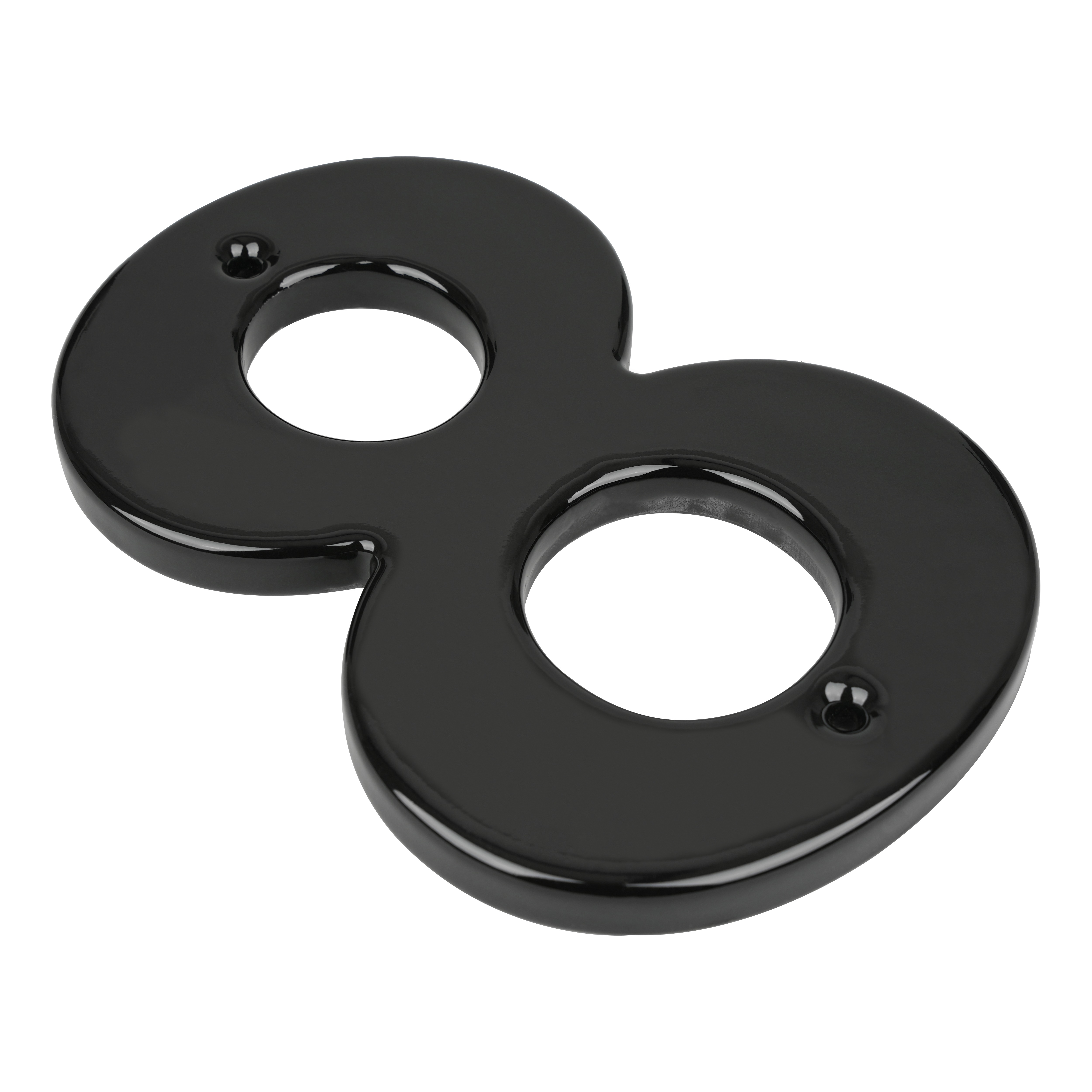
Ceramic house numbers can fade due to several factors, but UV exposure is the primary culprit. Sunlight contains ultraviolet rays, which can break down the pigments used in the glaze or paint of the ceramic numbers. Over time, this can cause them to lose their vibrancy.
UV-Resistant Coatings: As mentioned earlier, applying a UV-resistant coating can significantly slow down fading.
Positioning: Place your ceramic house numbers in a location with partial shade, avoiding direct sunlight for prolonged periods.
Use of Colorfast Glazes: Opt for ceramic numbers with colorfast glazes that are designed to resist fading from UV exposure.
When it comes to balancing cost with durability, ceramic house numbers offer a reasonable compromise. They are typically more affordable than metal alternatives like bronze or stainless steel but don’t always last as long, especially in harsh climates.
| Material | Initial Cost | Longevity | Aesthetic Appeal |
|---|---|---|---|
| Ceramic | Low to Moderate | 10-20 years | Classic, elegant |
| Bronze | Moderate to High | 20+ years | Traditional, rustic |
| Stainless Steel | Moderate | 15-20 years | Modern, sleek |
While ceramic offers an attractive price point, metal options like bronze or stainless steel can be more cost-effective in the long run if you're looking for longevity and low maintenance.
The lifespan of ceramic house numbers outdoors is largely dependent on factors such as the quality of the ceramic, the climate conditions, and the level of maintenance. On average, ceramic house numbers can last anywhere from 10 to 20 years if properly cared for. To ensure their longevity, regular cleaning, the application of protective sealants, and careful placement are essential.
If you're in an area with extreme weather conditions, it may be worth considering alternatives such as bronze or stainless steel for even greater durability. However, for most homeowners, ceramic house numbers provide a stylish, long-lasting solution when cared for properly.
1. Can ceramic house numbers be repaired if they crack?
Yes, ceramic house numbers can be repaired using epoxy or ceramic glue. However, repairs may not restore the numbers to their original condition. If the damage is significant, it may be better to replace the numbers.
2. Do ceramic house numbers fade in color?
Yes, over time, ceramic house numbers can fade, especially with prolonged exposure to direct sunlight. Applying UV-resistant coatings and placing the numbers in shaded areas can help reduce fading.
3. How do I clean ceramic house numbers?
Use a soft cloth or sponge with warm, soapy water to clean ceramic house numbers. Avoid using abrasive cleaners, as they can scratch the surface. For stubborn dirt, a soft brush can help.
4. Are ceramic house numbers weatherproof?
Ceramic house numbers are generally weather-resistant, but extreme weather conditions such as heavy rain, freezing temperatures, or high humidity can affect their lifespan. Applying a protective sealant can help protect the numbers from moisture and UV damage.