

Views: 1 Author: Grace Gong Publish Time: 2025-10-31 Origin: Site


Architecture isn’t only about grand gestures—it’s about rhythm, proportion, and the quiet power of details. Ceramic switches, though small, play a poetic role in defining that harmony. They’re not just electrical fittings; they’re punctuation marks in the language of space.
When light hits the smooth surface of a ceramic switch, it reflects subtle warmth that interacts with texture, tone, and shadow. This visual rhythm connects walls, floors, and lighting fixtures in a coherent design composition. Architects and interior designers have long known that small elements often define the soul of a room, and ceramic switches do exactly that—with elegance and restraint.
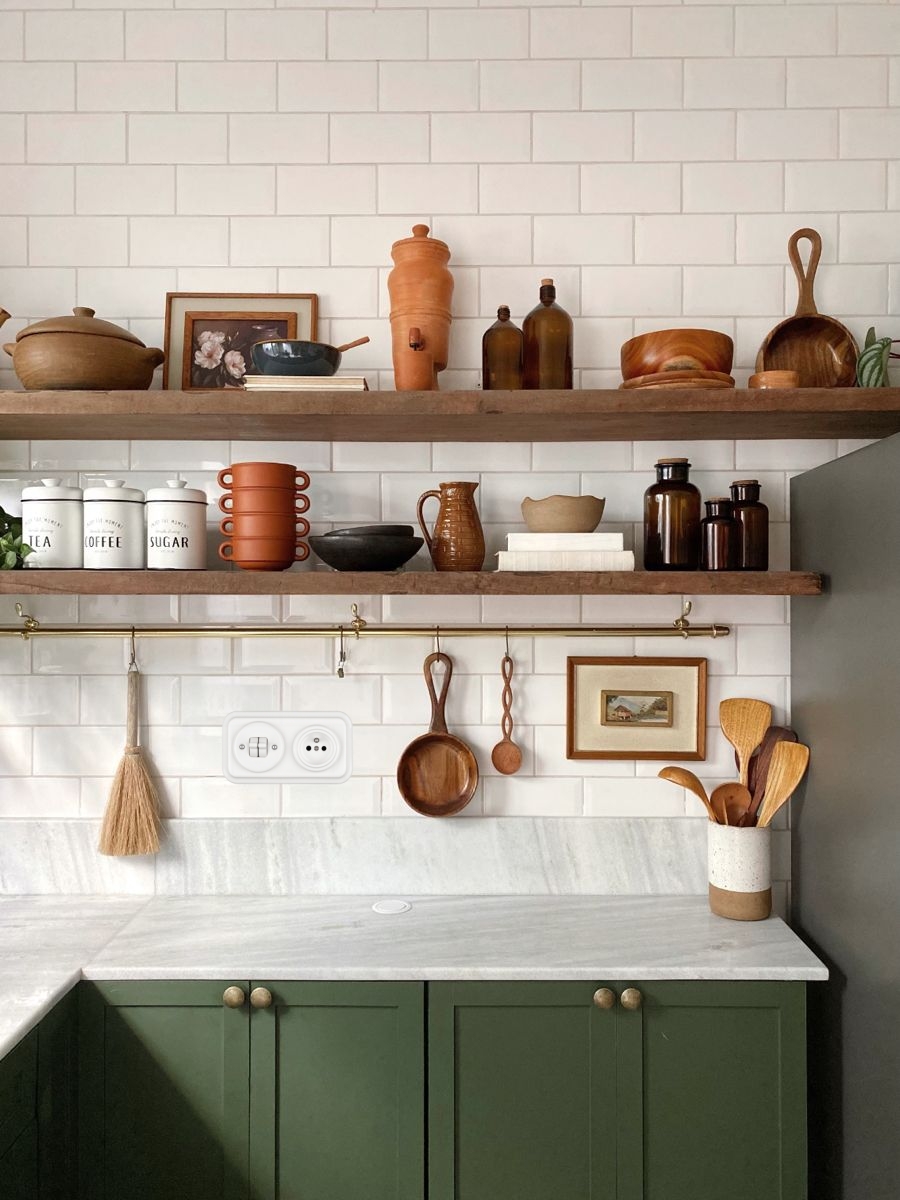
Unlike plastic alternatives, ceramic switches possess a natural tactility that feels “architectural.” The weight, density, and handcrafted glaze offer a sense of permanence, grounding the room in authenticity. Whether installed in a restored Georgian townhouse or a minimalist studio apartment, they bridge heritage and modernity with quiet confidence.
More than functionality, they provide visual cadence. A well-placed ceramic switch becomes part of the wall’s geometry—a detail that draws the eye not because it demands attention, but because it completes the design narrative. This is architectural poetry: beauty written through proportion, material, and intention.
By choosing ceramic switches and sockets, you’re not just wiring a home; you’re sculpting atmosphere. Each switch becomes a stanza in the architecture’s poem—one that whispers sophistication through craftsmanship and timeless form.