

Views: 1 Author: Grace Gong Publish Time: 2026-11-23 Origin: Site


Choosing electrical fittings involves more than deciding where to install a switch or socket. The mounting style, operating mechanism, materials, and overall appearance all influence how well a product fits into a finished interior.
Ceramic electrical collections offer different ways to approach these decisions. Two particularly interesting options are flush-mounted ceramic fittings and ceramic toggle switches.
Flush-mounted ceramic switches and sockets are designed for installation within suitable wall recesses or electrical boxes. Their relatively integrated appearance can work well in contemporary interiors, renovated apartments, and spaces where a clean wall finish is preferred.
Ceramic toggle switches, on the other hand, make a stronger visual statement. Their projecting handles introduce an additional shape and material into the wall composition. They can bring a traditional reference into modern spaces or complement the original character of older European properties.
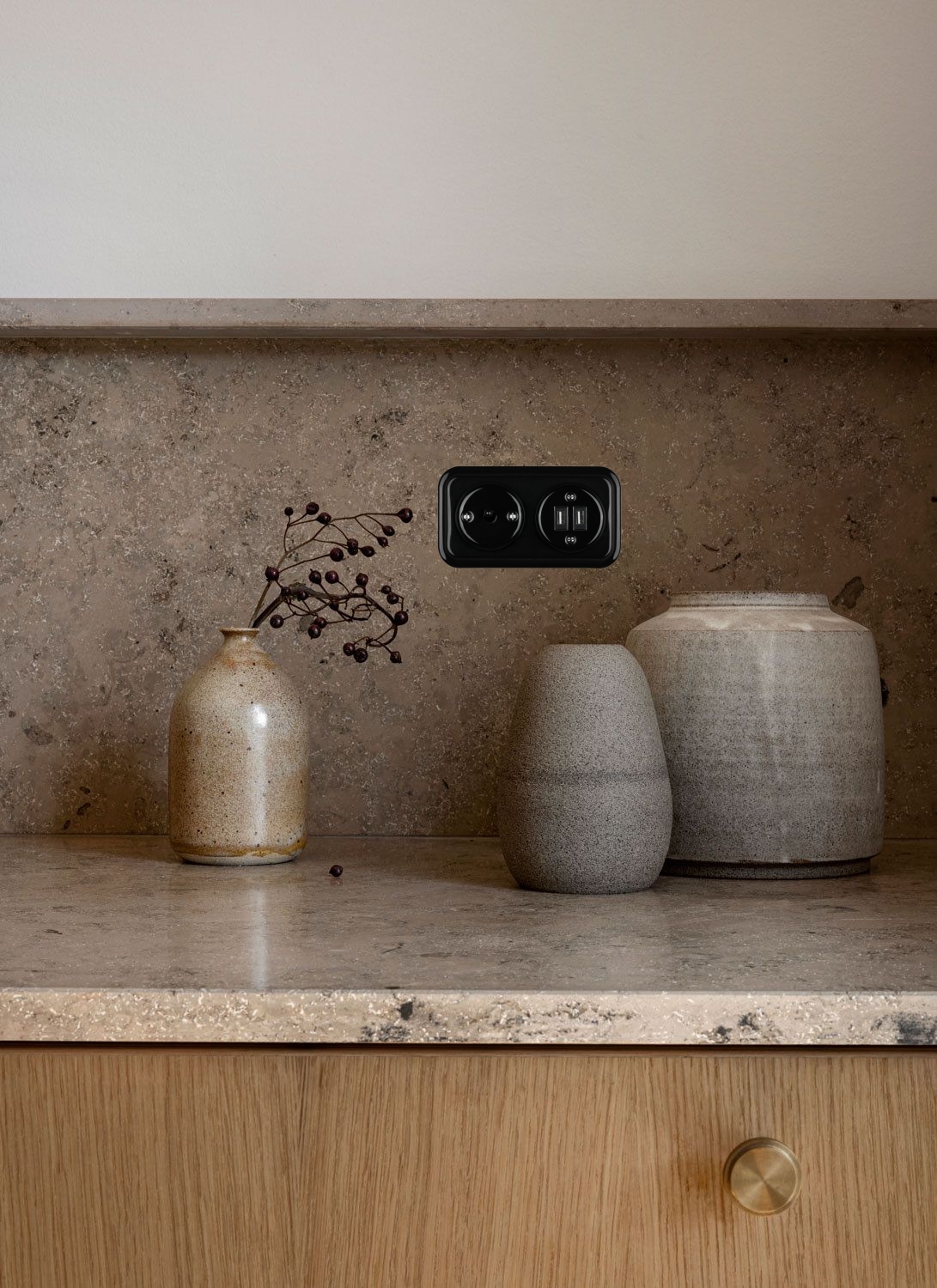
These two design directions do not have to compete. In fact, they can be considered as part of a broader electrical specification.
For example, a home might use flush-mounted ceramic sockets in the living room and bedrooms, while distinctive ceramic toggle switches are selected for lighting control in hallways or feature areas. Matching finishes and plate shapes can connect the different products, even when their mechanisms and installation styles vary.
Material coordination is another useful consideration. White or neutral ceramic fittings can create a restrained appearance, while darker or colored finishes may provide contrast. Metal toggle handles can also echo the finishes of wall lamps, cabinet hardware, and other decorative details.
Before making a selection, it is essential to check product dimensions, mounting requirements, electrical functions, and compatibility with the existing installation. Flush-mounted and surface-mounted products are not automatically interchangeable, and all electrical work should comply with local regulations.
For interior designers, homeowners, and renovation professionals, planning these details together can make the entire electrical installation feel more intentional.
The most successful electrical collection is not simply a group of matching products. It is a range of fittings that responds to different functional needs while maintaining a consistent design identity.