

Views: 247 Author: Site Editor Publish Time: 2025-10-02 Origin: Site


Ceramic house numbers have long been a stylish choice for homeowners who want their addresses to stand out with timeless elegance. Their handcrafted look, rich colors, and glazed finishes often elevate curb appeal far beyond basic plastic or metal plates. Yet, one question remains crucial for anyone considering this material for outdoor signage: durability in the face of changing weather. Since house numbers are constantly exposed to sunlight, rain, snow, and fluctuating temperatures, their ability to withstand outdoor elements is a key factor in long-term satisfaction.
The resilience of a ceramic house number depends primarily on how it is crafted. Most ceramic numbers are kiln-fired at very high temperatures, which fuses the clay into a dense and hard material. When properly glazed, the surface becomes non-porous, meaning moisture cannot easily seep into the material. This process makes ceramics far more resistant to outdoor conditions than untreated clay. However, not all ceramic house numbers are manufactured equally. Mass-produced tiles may use lower-quality glazes, which can lead to faster fading or cracking over time. Premium, hand-glazed options usually offer superior weather protection.
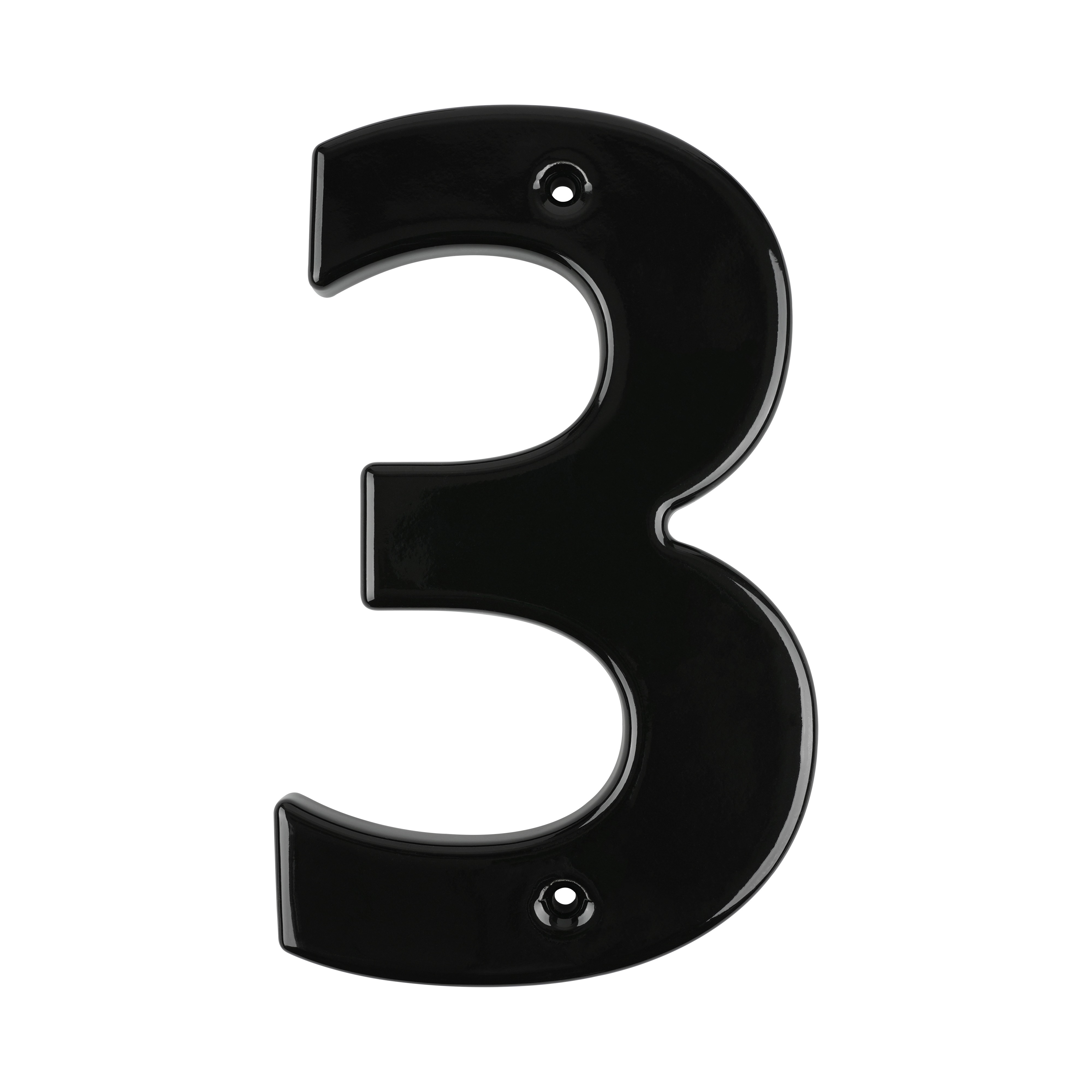
Rain and humidity are the most common weather challenges for outdoor signage. Ceramic house numbers generally perform well in wet conditions because their glazed finish creates a waterproof barrier. Unlike wood, which can swell, or metal, which can rust, ceramic does not absorb water when sealed properly. That said, if the glaze chips or cracks, water can seep inside and weaken the tile from within. Freeze-thaw cycles in colder climates pose additional risks: water trapped inside micro-cracks can expand when frozen, leading to fractures. Choosing frost-resistant ceramic house numbers reduces this issue significantly.
Prolonged sun exposure can fade many outdoor materials, but ceramics hold up relatively well thanks to the firing process. High-quality ceramic pigments are baked into the glaze, which locks the color into the surface rather than leaving it as a painted layer. This makes ceramic house numbers less prone to fading compared to painted wood or cheap plastic alternatives. However, extreme UV exposure in hot climates may still cause gradual dulling over the years. To maintain brightness, it is advisable to install ceramic house numbers in partially shaded locations or choose models with UV-protective glazes.
Ceramic house numbers are generally stable under a wide range of temperatures. They do not warp like plastic under heat or corrode like metal in salty air. Their main vulnerability arises in areas with significant freeze-thaw cycles, as repeated expansion and contraction can eventually weaken the tile. Frost-proof ceramic house numbers, often labeled as “outdoor grade” or “frost resistant,” are specifically designed to handle such conditions. Homeowners living in northern or mountainous regions should look for these specialized options to ensure maximum weather resistance.
When selecting house numbers, durability is often weighed against style and maintenance. Below is a comparison of how ceramic house numbers perform against other common materials:
| Material | Weather Resistance | Lifespan Range | Maintenance Needs | Aesthetic Appeal |
|---|---|---|---|---|
| Ceramic House Number | High (with glaze) | 10–25 years | Low | Artistic, timeless |
| Metal (e.g., brass, aluminum) | High but prone to corrosion in salty air | 15–30 years | Occasional polishing | Sleek, modern |
| Wood | Low–Medium | 5–15 years | High (sealing, staining) | Rustic, warm |
| Plastic/Acrylic | Medium | 5–10 years | Low | Simple, affordable |
This comparison shows that while ceramics may require slightly more care in harsh climates, they balance durability and visual charm better than most alternatives.
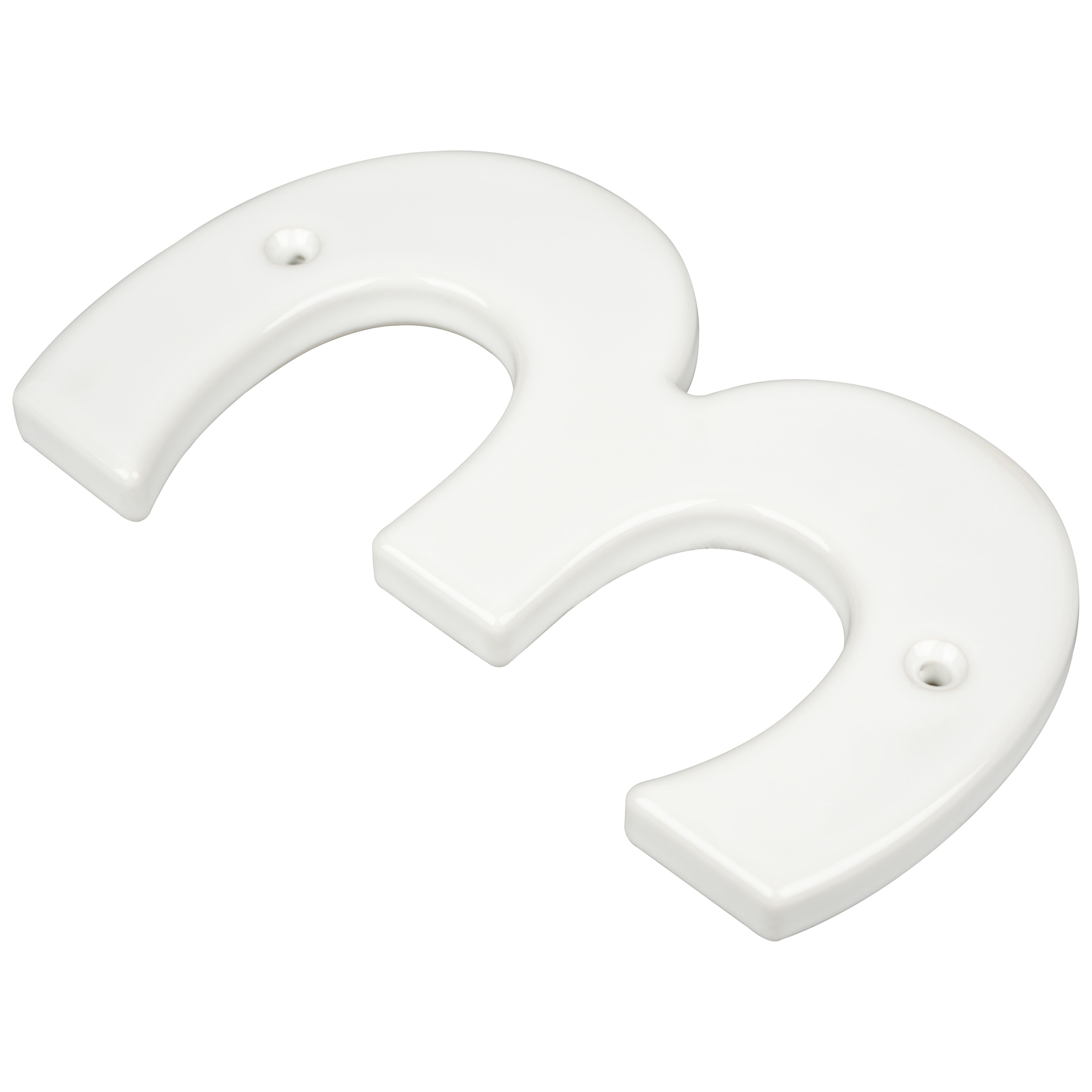
Even though ceramic house numbers are inherently durable, proper care extends their longevity. Simple maintenance can prevent damage from escalating:
| Maintenance Step | Purpose | Frequency |
|---|---|---|
| Gentle Cleaning with Mild Soap | Removes dirt, prevents mold buildup | Every 2–3 months |
| Inspecting for Chips or Cracks | Detects early signs of damage | Twice a year |
| Sealing (if recommended by manufacturer) | Adds extra protection to glaze | Every 2–3 years |
| Avoiding Harsh Chemicals | Prevents erosion of glaze | As needed |
By following these steps, homeowners can preserve both the structural integrity and visual brilliance of their ceramic house numbers.
Not every ceramic house number will perform equally in every environment. Climate-specific considerations should guide the purchase decision:
Humid climates → Prioritize dense, fully glazed ceramics that resist moisture absorption.
Cold regions with frost → Look for frost-resistant or “outdoor grade” ceramics.
Sunny, hot areas → Choose UV-protected glazes to prevent fading.
Coastal regions → Opt for ceramic over metal to avoid salt corrosion.
By aligning product selection with environmental conditions, homeowners can ensure maximum weather resistance and long-lasting curb appeal.
Ceramic house numbers are indeed weather-resistant when manufactured with quality materials and protective glazing. They handle rain, sunlight, and temperature fluctuations better than many alternatives while offering unique aesthetic appeal. The key to longevity lies in choosing high-quality, outdoor-rated ceramic house numbers and performing minimal but consistent maintenance. With the right selection, homeowners can enjoy durable, stylish, and functional address signage for decades.
1. Do ceramic house numbers crack easily in cold weather?
Not if they are frost-resistant. High-quality ceramics withstand freezing temperatures better than non-treated options.
2. How long do ceramic house numbers typically last outdoors?
With proper care, they can last anywhere from 10 to 25 years, depending on climate and installation.
3. Are ceramic house numbers better than metal?
They are better suited for humid or coastal areas where metal may corrode, though both materials are durable with proper maintenance.
4. Can ceramic house numbers fade under sunlight?
They resist fading better than painted wood or plastic, though intense UV exposure may gradually reduce vibrancy over many years.
5. Do ceramic house numbers require sealing?
Not always, but applying a protective sealant every few years can enhance durability, especially in harsher climates.