

Views: 194 Author: Site Editor Publish Time: 2025-10-07 Origin: Site


When it comes to house numbers, homeowners often face the decision of which material to choose. Ceramic and metal are two of the most popular options, each offering distinct features and benefits. But how do you determine which is the better choice for your home? In this article, we will thoroughly examine the pros and cons of ceramic house numbers compared to metal ones, ultimately helping you make an informed decision based on factors such as durability, aesthetics, cost, and environmental impact.
House numbers play a pivotal role in identifying your home, especially in emergency situations, when every second counts. A well-chosen set of numbers can enhance your home's curb appeal while ensuring easy visibility. Ceramic house numbers offer unique advantages, but so do their metal counterparts. Understanding these materials' durability, appearance, and maintenance requirements is key to making a decision that serves both your style and practical needs.
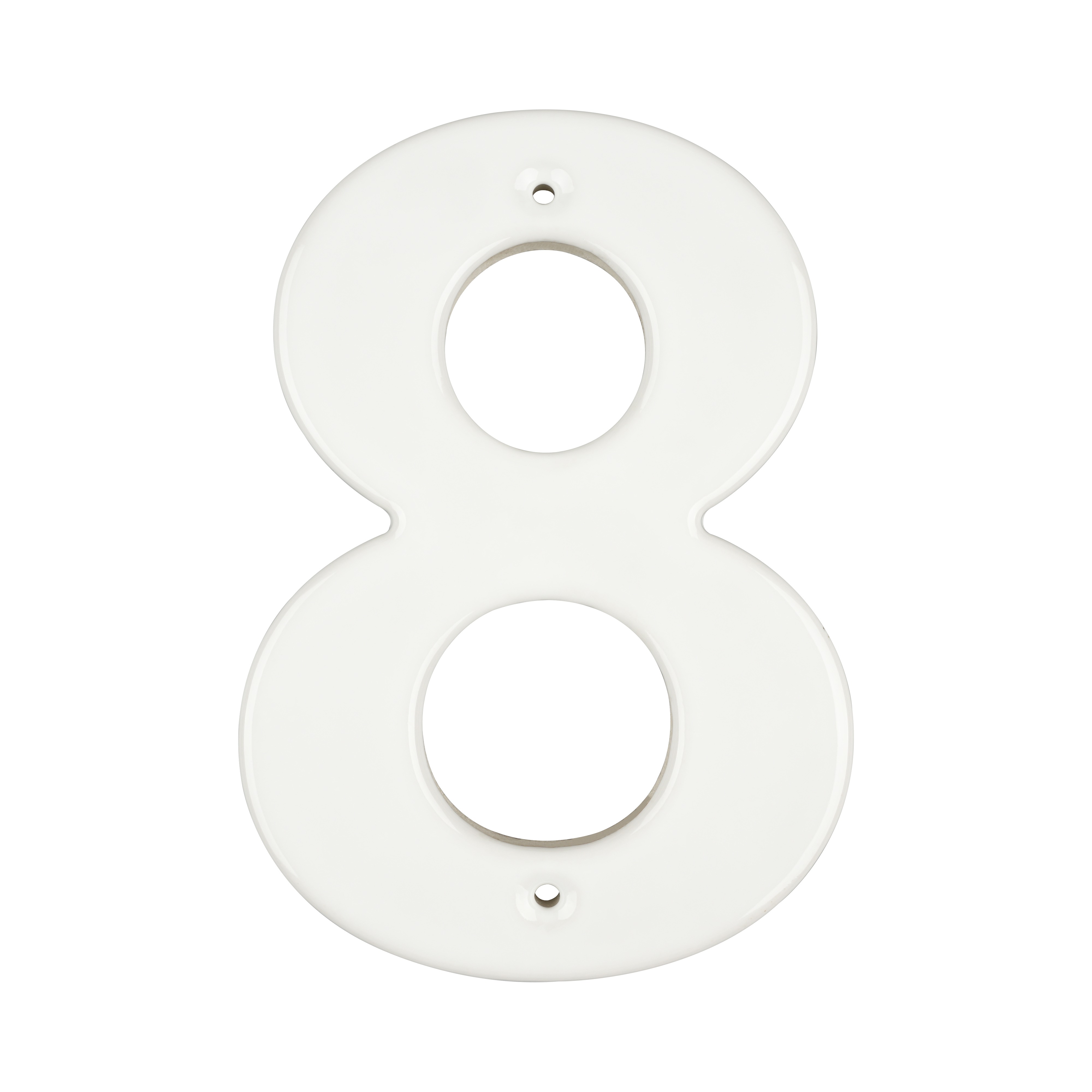
Ceramic is known for its aesthetic appeal, often offering intricate designs and vibrant colors that can enhance a home's exterior. However, when it comes to durability, ceramic house numbers can be more fragile than metal ones. While ceramic is resistant to fading and discoloration from the sun, it is prone to breaking if subjected to heavy impact, such as a dropped package or extreme weather conditions like hail.
Resistant to fading due to UV exposure.
Long-lasting colors and designs.
Can withstand rain and humidity well.
Fragile and prone to cracking or chipping.
May not be suitable for high-impact environments or areas with extreme weather.
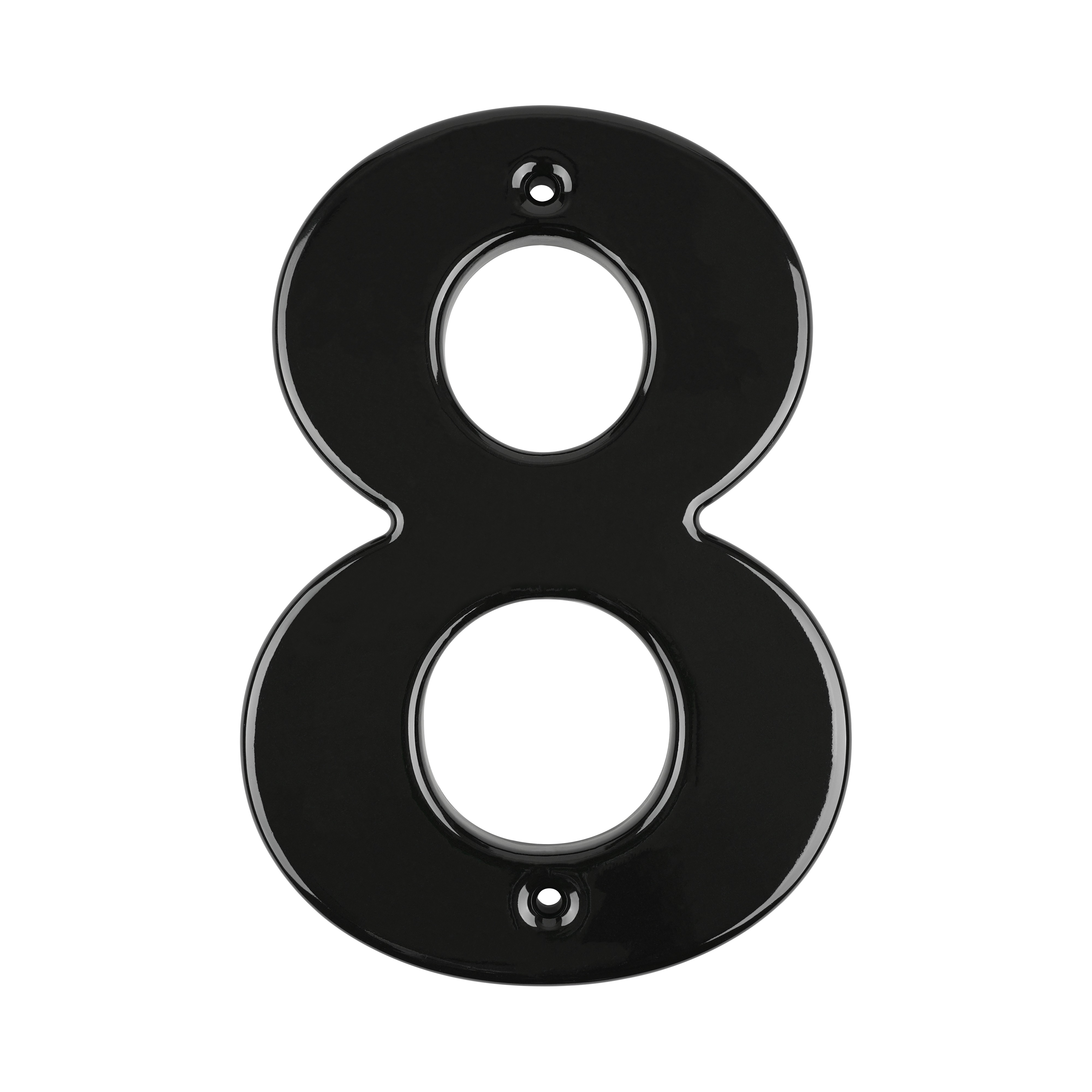
In contrast, metal house numbers, typically made of aluminum, steel, or bronze, are significantly more durable. They are resistant to physical damage such as cracks, chips, or breakages. Metals like aluminum or stainless steel are corrosion-resistant, making them ideal for coastal areas or places with harsh winters.
Stronger and more resistant to impact.
Resistant to rust and corrosion, especially with quality finishes like powder coating.
Suitable for extreme weather conditions.
Susceptible to fading, especially if not properly treated or coated.
May develop scratches over time.
Ceramic house numbers are often lauded for their aesthetic appeal. They can be molded into custom designs, including intricate artwork, hand-painted patterns, or colorful tiles that express the homeowner’s personality. This versatility makes ceramic numbers a favorite for traditional, Mediterranean, or bohemian-style homes. The smooth, glossy finish of ceramic also gives a refined and artistic touch to the exterior of the house.
Hand-painted and customizable designs.
Available in various colors, shapes, and sizes.
Perfect for vintage or artistic home styles.
Metal house numbers, while durable, offer a more minimalist and modern aesthetic. They are often available in contemporary finishes such as matte black, brushed silver, or polished bronze. Metal is commonly favored for modern, industrial, or contemporary homes, where clean lines and a sleek look are desired. While metal house numbers can be designed in various fonts and styles, they generally offer fewer customization options compared to ceramic numbers.
Sleek, modern, and minimalist designs.
Durable finishes like brushed nickel, matte black, or polished brass.
More limited design customization compared to ceramic.
When it comes to price, ceramic and metal house numbers vary significantly depending on the brand, craftsmanship, and customization options.
Ceramic house numbers can range from budget-friendly options to higher-end designer pieces. Simple ceramic tiles are often less expensive, but hand-painted, custom designs can increase the price. On average, ceramic numbers are more affordable than metal numbers, especially when mass-produced.
| Type | Price Range (USD) |
|---|---|
| Mass-produced Ceramic Numbers | $15 - $30 |
| Hand-painted/Custom Ceramic | $30 - $80+ |
Metal house numbers tend to be more expensive than ceramic numbers, especially when considering high-quality metals such as bronze or stainless steel. The price for metal house numbers varies depending on the finish, material, and size, but on average, they cost more upfront. However, their longevity and resilience may make them a more cost-effective choice over time.
| Type | Price Range (USD) |
|---|---|
| Aluminum/Steel Numbers | $20 - $50 |
| Bronze/Stainless Steel Numbers | $50 - $150+ |
Ceramic house numbers require minimal maintenance, but the main concern is keeping them intact. Regular cleaning with a soft cloth and mild detergent is typically sufficient. However, they should be protected from heavy impacts or rough handling to prevent cracking or chipping. If your ceramic numbers are located in a high-traffic area or exposed to extreme weather, consider sealing them to increase their longevity.
Clean with soft cloth and gentle detergent.
Protect from impact to avoid cracks.
Apply a sealant if exposed to harsh weather.
Metal house numbers require a bit more attention, especially in areas prone to rust or corrosion. While metals like stainless steel or aluminum are resistant to rust, they can still develop tarnishing or scratching over time. Regular cleaning with a damp cloth can help maintain their shine, and periodic waxing or polishing can enhance their resistance to corrosion.
Clean regularly with a damp cloth.
Wax or polish to protect against tarnishing.
Use rust-resistant coatings if exposed to extreme weather.
Ceramic is a more environmentally friendly material compared to most metals. It is made from natural clay and minerals, which are abundant and non-toxic. The production process for ceramics tends to be less resource-intensive, especially if they are locally sourced. Additionally, ceramic house numbers can be made with eco-friendly glazes that are free from harmful chemicals.
Made from natural, abundant materials.
Can be locally sourced, reducing transportation emissions.
Less energy-intensive production compared to metal.
While metal house numbers can be recycled, the extraction and manufacturing processes for metals like steel, bronze, and aluminum can be resource-intensive and contribute to environmental degradation. However, if your metal numbers are made from recycled materials, their environmental impact can be significantly reduced.
Metals like aluminum and steel are recyclable.
The production process can be energy-consuming.
Opt for recycled metal options for a greener choice.
Whether ceramic house numbers are better than metal depends on your personal preferences, the style of your home, and your specific needs. Ceramic numbers excel in aesthetic variety and customization, providing a unique and artistic touch. However, they may not be as durable as metal numbers, particularly in areas with extreme weather conditions.
On the other hand, metal house numbers are incredibly durable, resistant to impacts, and well-suited for harsh weather. While they may lack the customization options of ceramic, they offer a modern and sleek look that complements contemporary homes.
For those who value durability and longevity, metal house numbers might be the ideal choice. But if aesthetics and design are more important to you, and you're willing to take extra care with maintenance, ceramic house numbers could be the perfect option.
1. Are ceramic house numbers suitable for all weather conditions?
Ceramic house numbers are generally durable in rain and humidity but can be vulnerable to extreme weather conditions like hail or freezing temperatures. They are best suited for areas with mild weather conditions or under shelter.
2. How do I maintain my ceramic house numbers?
To maintain ceramic house numbers, simply clean them with a soft cloth and mild detergent. Avoid rough handling to prevent cracking or chipping, and apply a protective sealant if necessary for increased longevity.
3. Can metal house numbers rust?
While many metal house numbers, especially those made from aluminum or stainless steel, are resistant to rust, they can still develop tarnishing or corrosion over time. Regular cleaning and occasional waxing can help protect them from the elements.
4. Are ceramic house numbers more expensive than metal ones?
In general, ceramic house numbers tend to be less expensive than metal numbers, particularly mass-produced options. However, hand-painted or custom-designed ceramic numbers can be more costly than some metal options.
5. How long do ceramic house numbers last?
With proper care, ceramic house numbers can last for many years. However, they are more susceptible to cracking or chipping than metal numbers, so it's important to avoid high-impact situations or extreme weather exposure.